

At T5 Home Inspections, we believe every client deserves a thorough inspection and a clear understanding of the property’s condition. From scheduling your appointment to delivering your report, our goal is to make the inspection process straightforward, informative, and stress free.
Every inspection is performed to InterNACHI’s Standards of Practice and documented with clear photos and easy to understand explanations, helping you make informed decisions with confidence.
Choose a convenient date and time online or by phone.
We evaluate the home's major systems and components using a detailed, methodical approach.
We'll explain any significant findings and answer your questions before we leave whenever possible.
You'll receive a detailed Spectora report with photos and recommendations, typically within 24 hours.
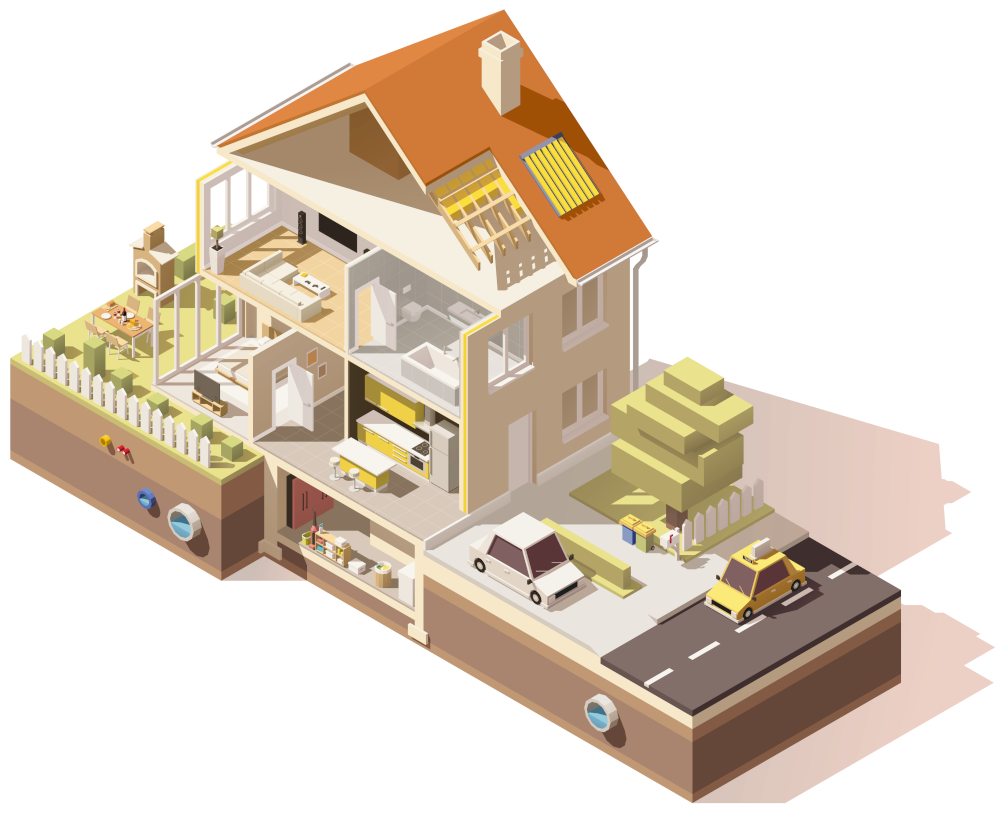
A property inspection covers the home’s major structural and mechanical systems, including the roof, foundation, exterior, electrical panel and wiring, plumbing supply and drain lines, heating and cooling equipment, insulation, attic, interior walls, ceilings, floors, windows, and doors. For most homes, the inspection takes between two and three hours depending on the property’s size and age. Commercial inspections are scoped based on the building’s use and square footage.
Make sure all access points are clear and reachable: attics, crawlspaces, electrical panels, water heater closets, and the home’s exterior perimeter. Confirm that all utilities are active, built-in appliances are operational, and any gas fireplaces can be turned on. If you will not be present, ensure the inspector has entry access and that pets are secured or removed from the property.
No, a property does not pass or fail an inspection. An inspection is an objective assessment of the home’s condition on the day it is examined. Items noted in the report are informational, not verdicts. Some findings may be minor maintenance items while others may warrant further evaluation by a specialist. Either way, the report is there to inform your decision, not to block the sale.
Legally, skipping a home inspection is often allowed, but it carries real financial risk. Defects in roofing, electrical systems, plumbing, or structure can cost thousands of dollars to repair, and without an inspection, those issues may not surface until after closing. A professional inspection is one of the most cost-effective steps you can take before committing to a purchase.
A home inspector identifies and documents conditions that may need attention, but does not perform repairs. This separation is intentional: it protects you from any conflict of interest and gives you the freedom to choose your own licensed contractors for any work that needs to be done. Our role is to give you the full picture so you can make informed decisions from there.
Inspection findings can influence negotiations, repair requests, insurance requirements, and in some cases financing. For example, a roof nearing the end of its useful life or an aging electrical panel may affect homeowner’s insurance eligibility or buyer financing terms. Knowing these details before closing gives buyers leverage to negotiate and gives sellers the opportunity to address issues proactively, which is exactly why scheduling an inspection early in the process makes sense.

Roof coverings, gutters, downspouts, vents, flashing, skylights, chimney, roof penetrations and the general structure of the roof.
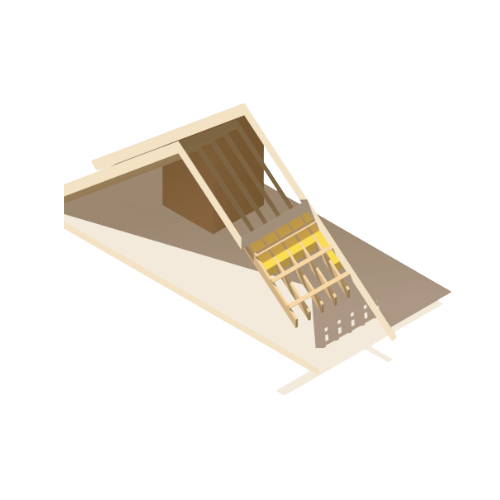
Insulation and ventilation of unfinished spaces, including attics, crawl spaces, foundation areas and exhaust systems.
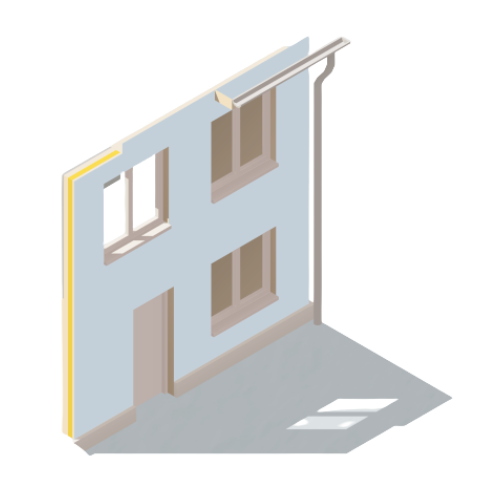
Siding, windows, exterior doors, flashing & trim, walkways, driveways, stairs, patios & decks, and drainage.
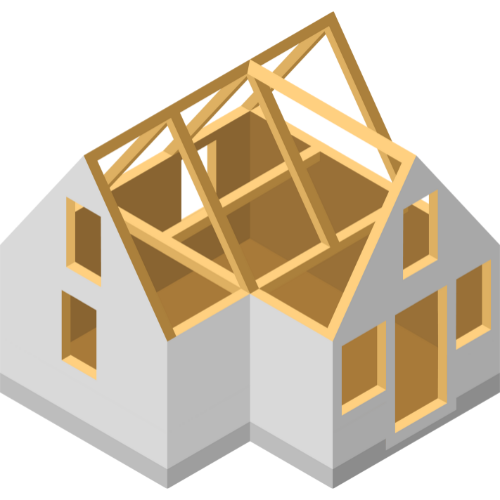
Foundation movement, cracks, structural concerns, and indication of water penetration.
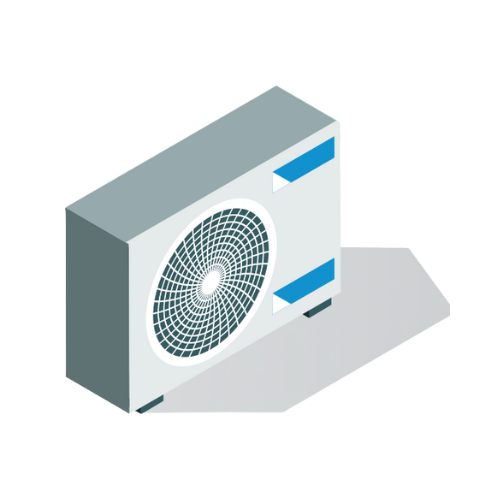
Cooling system, location of thermostat, energy source and cooling method.
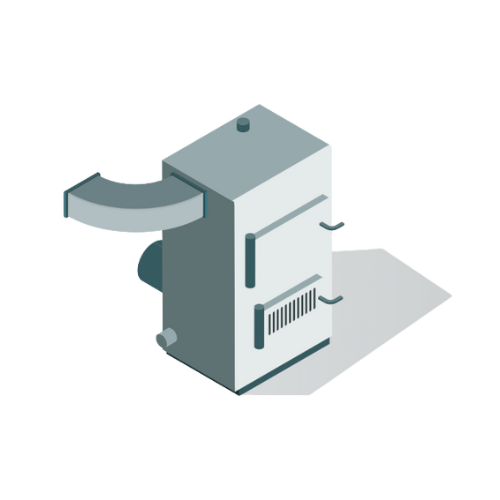
Heating system, location of thermostat, energy source and heating method.
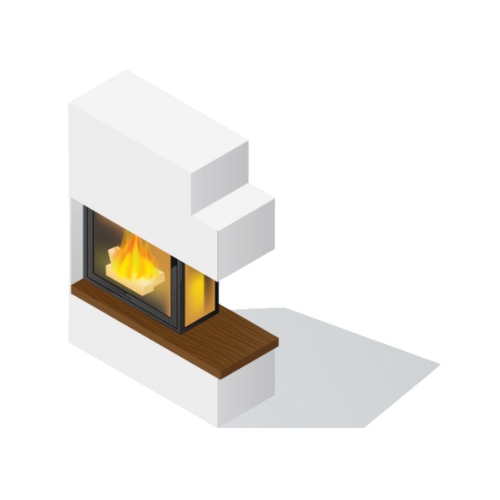
Visible portions of the fireplace & chimneys, lintels, damper doors, and cleanout doors & frames.
Main water & fuel supply shut-off valves, water heater, interior water supply, toilets, sinks, tubs, showers, drain, waste and vent systems.
Service drop, overhead service conductors, service head & mast, main service disconnect, panelboards, grounding, switches, light fixtures, receptacles deemed to be AFCI & GFCI, and the presence of smoke alarms & carbon monoxide detectors.
Dishwasher, disposal, range, oven, microwave, refrigerator, exhaust, bathroom heater, garage door, doorbell, and dryer vent
Circulation, heating, filtering, electrical, water chemistry, and possible safety issues.
Representative number of doors & windows, floors, walls, ceilings, stairs, railings, garage door and openers.
